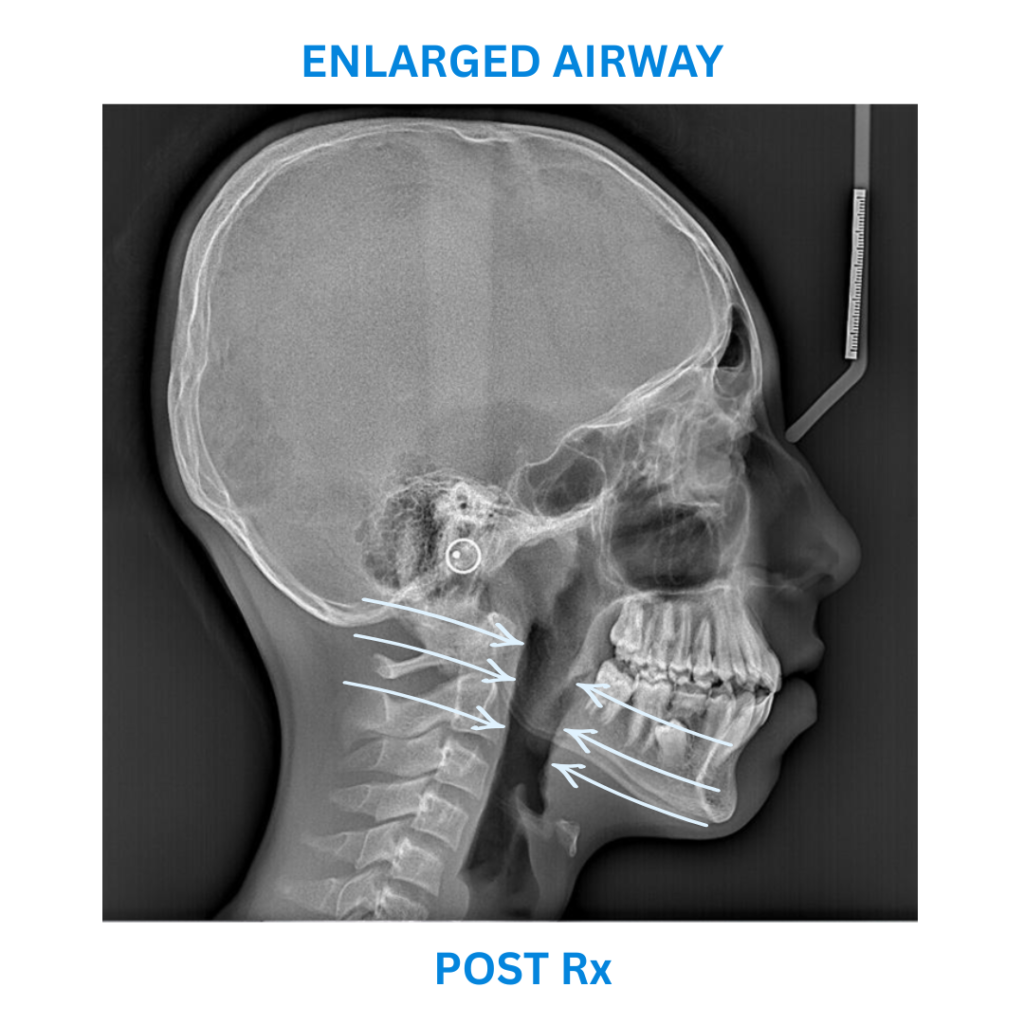
What is Pediatric Sleep-Disordered Breathing (SDB)?
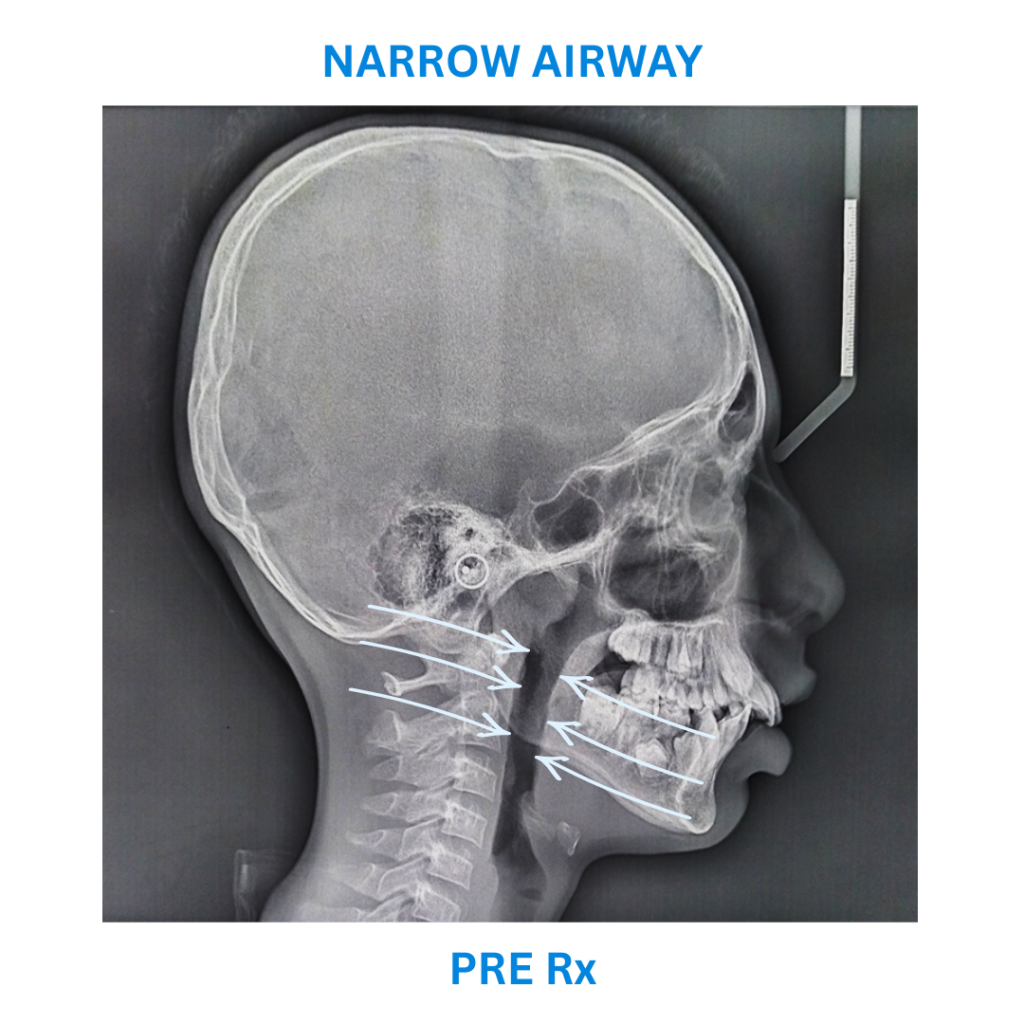
SDB describes a range of breathing difficulties during sleep, from loud snoring to Obstructive Sleep Apnea. It occurs when the airway is partially blocked, often leading to poor oxygen levels and fragmented sleep.
Is it "normal" for my child to snore?
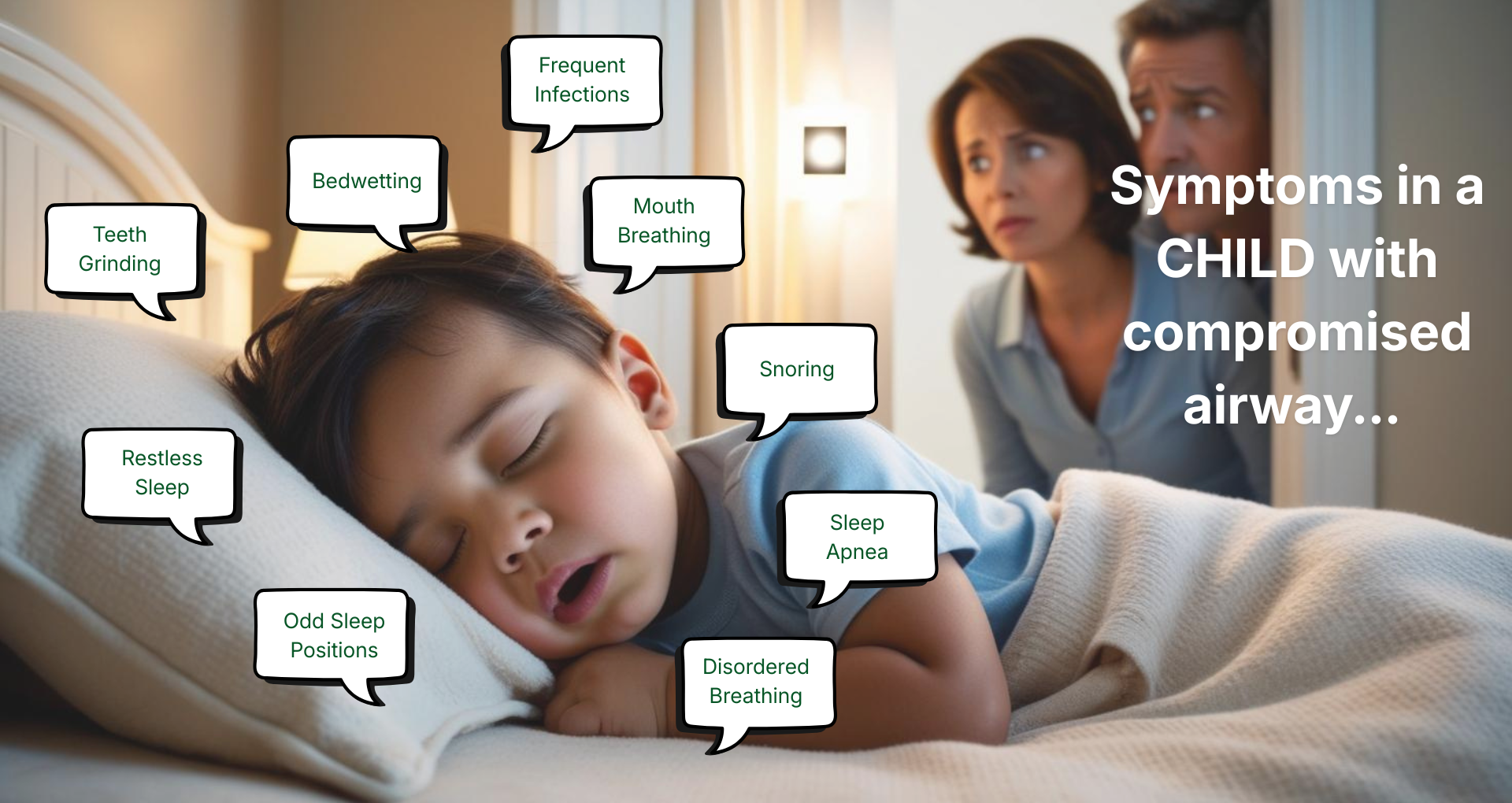
No. Snoring is not normal for children. It is a loud signal that your child is struggling for breath. Chronic snoring can impact brain development and physical growth.
Why is mouth breathing considered a problem?
Mouth breathing bypasses the nose’s ability to filter and warm the air. It leads to a dry mouth, increases the risk of dental cavities, and puts the body in a constant "stress" mode.
How does mouth breathing affect my child’s facial growth?
If the mouth is always open, the tongue doesn't rest on the roof of the mouth. This can cause the face to grow long and narrow, the chin to recede, and the teeth to become crowded.
What are the signs of "Adenoid Face"?
Common signs include a long face shape, dark circles under the eyes, a narrow upper jaw, and a "slack" jawline. These are often the physical results of chronic mouth breathing.
Can mouth breathing cause behavioral issues like ADHD?
Yes. Poor breathing leads to poor sleep. Exhausted children often act "hyperactive" or lose focus. Many kids misdiagnosed with ADHD actually have an underlying airway issue.
What should I look for during the night?
Watch for an open mouth, restless tossing, heavy sweating, or pauses in breathing followed by sudden gasps or snorts.
What are the daytime symptoms of airway issues?
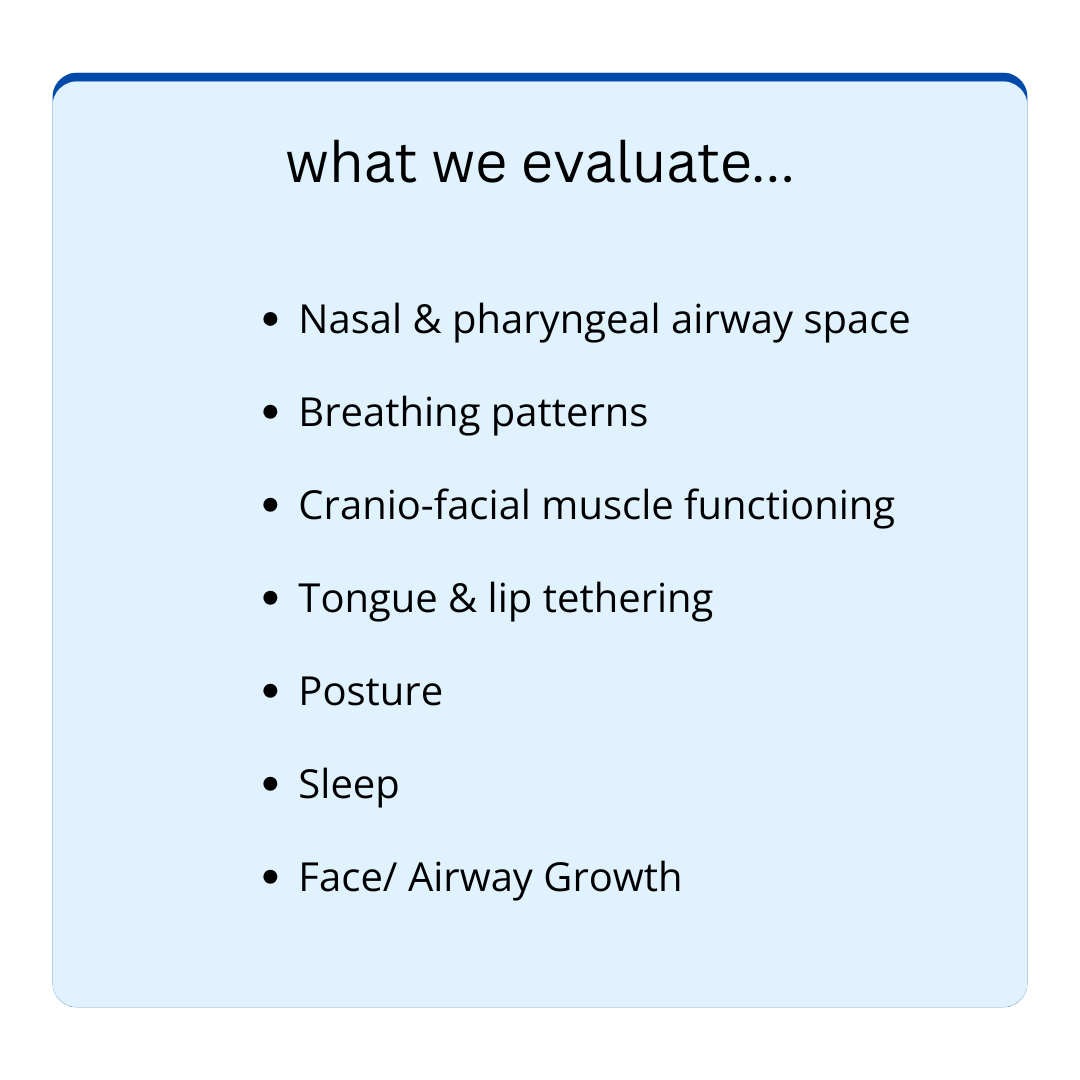
Look for chronic tiredness, "brain fog," dark under-eye circles, and even picky eating (as kids with ties often struggle to chew and breathe at the same time).
Why is my 4-month-old getting recurrent infections?
Recurrent ear or chest infections can be linked to tongue-ties. A poor latch causes the baby to swallow air and breathe through their mouth, leading to fluid buildup in the ears and unfiltered air irritating the chest.
Will my child "outgrow" mouth breathing?
No. Mouth breathing is a functional habit. Without addressing the root cause (like a tongue-tie or narrow jaw), the skeletal changes to the face become permanent.