
Tongue Tie Baby & Breastfeeding

Tongue Tie, Breastfeeding & Airway

Tongue tie in babies can affect breastfeeding, latch and airway development. Early signs of Tongue tie may present as poor latch, feeding difficulty and breastfeeding discomfort.

Early identification of infant feeding and breathing issues can prevent long-term developmental concerns.

Available in:

Tongue Tie & Lip Tie

More than a feeding issue — these early restrictions can shape your baby’s airway, breathing, and growth.
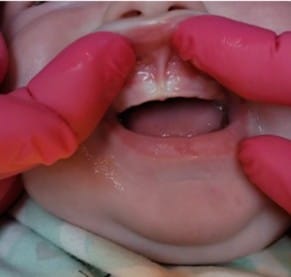
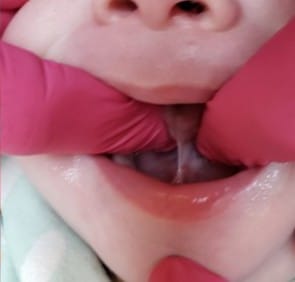
In infancy, the tongue is not just a feeding tool — it plays a key role in shaping facial structure and airway development.

When tongue or lip movement is restricted, it can affect feeding, breathing, sleep, and overall growth. These issues often go unnoticed in early stages.

At BreatheAlive, we follow a function-first approach, focusing on how your baby feeds, breathes, and develops — ensuring only necessary, evidence-based care.

Early evaluation can prevent long-term airway and developmental issues.

Is Your Baby Showing These Signs?

Many early feeding and breathing issues are subtle — but important.

👶 For Baby

  • Difficulty latching or feeding
  • Poor weight gain
  • Reflux, colic, or frequent crying
  • Noisy or mouth breathing
  • Poor sleep or restlessness

👩 For Mother

  • Pain during feeding
  • Nipple damage or bleeding
  • Low milk supply
  • Stress or frustration during feeds
Early evaluation can prevent long-term feeding and airway problems.

Feeding Shapes Your Baby’s Airway

The tongue is not just for feeding — it is the architect of breathing, sleep, and facial growth.

Feeding → Tongue posture → Jaw growth → Airway development
  • ✔ The tongue guides jaw and facial development
  • ✔ Proper tongue movement supports nasal breathing
  • ✔ Tongue tie can disrupt this natural process
  • ✔ Early care improves lifelong breathing patterns
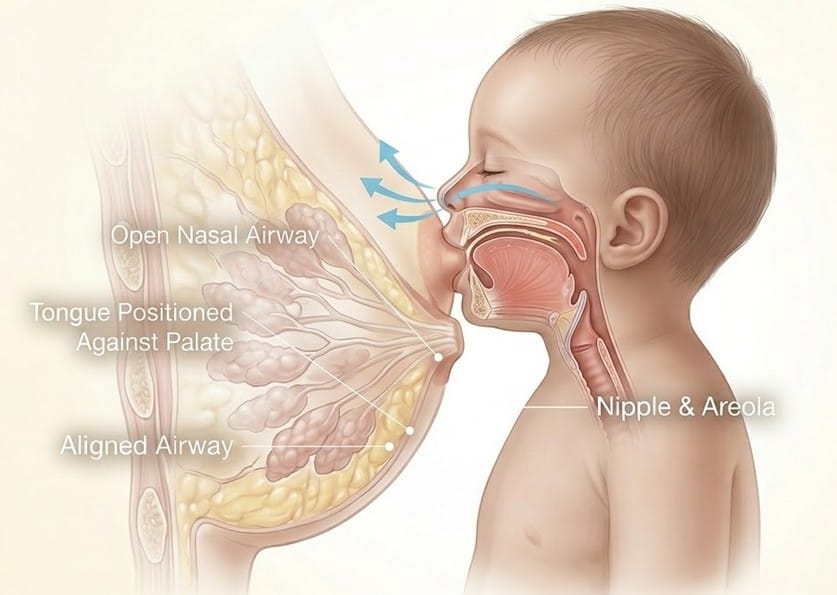
Early intervention is not just about feeding — it’s about your child’s future airway health.
Baby breathing calmly

What Happens If It’s Left Untreated?

Early feeding and airway issues don’t just disappear — they can affect long-term development.

🍼 Feeding & Growth

  • Persistent feeding difficulties
  • Poor weight gain
  • Ongoing reflux or colic

😴 Sleep & Breathing

  • Mouth breathing habits
  • Disturbed sleep patterns
  • Increased breathing effort

🧠 Face & Airway

  • Altered jaw and facial growth
  • Risk of future airway problems
  • Impact on brain development
Early care is simple — late correction is complex.

Restoring the Brain–Breath Axis from the First Latch

Expert care for tongue-tie, lip-tie and airway-centered infant development

Early habits shape breathing — nasal breathing supports healthy airway development.

Babies get into Habit of Mouthbreathing from an Early Age

Take the First Step Toward Better Breathing: Real Clinical Outcomes

Early intervention can restore normal breathing patterns and improve feeding outcomes.

Tongue/Lip tie causing tongue thrust & mouth breathing
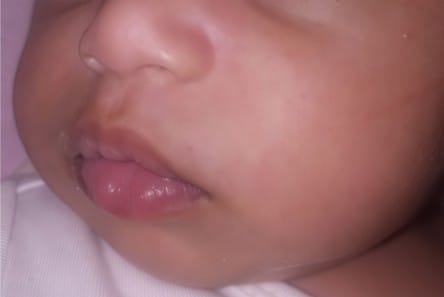
Before Treatment

Nasal breathing restored with Frenuloplasty

After Treatment

Why the Tongue Matters for Airway Health

The tongue is the “architect” of the mouth. Its position and movement guide jaw development, breathing patterns, and long-term airway health.

How It Shapes Development

The pressure of the tongue during swallowing helps shape the jaws. Since jaw position determines airway size, early function directly affects how your child breathes and grows.

The Path to Lasting Change

Neuromuscular Re-education

Training the tongue to function properly in its full range of motion.

Tension Release

Addressing body compensations through targeted therapy.

Consistent Support

Gradual, lasting improvement with proper post-treatment care.

A simple evaluation today can make a lifelong difference in your child’s feeding, sleep, and airway health.

Frequently Asked Questions

Common concerns parents have about tongue tie, feeding, and airway health.

How will I know if my baby has a tongue or lip tie?
Common signs include a shallow or painful latch, clicking sounds while feeding, and reflux. At BreatheAlive, we assess the functional movement of the tongue — not just appearance.
What is the best age for getting treatment?
The earlier, the better. Early treatment supports proper feeding and airway development, but intervention at any stage of infancy can still be beneficial.
What happens if ties are not treated early?
Untreated ties can affect feeding, growth, breathing patterns, and long-term airway development. Early care helps prevent these cascading effects.
How does tongue-tie affect breastfeeding?
A restricted tongue cannot create proper suction, leading to inefficient feeding and discomfort for the mother.
Is the procedure painful for my baby?
The procedure is quick and minimally invasive. Most babies feed immediately after, which provides comfort and reassurance.
Are exercises needed after treatment?
Yes. Gentle exercises help prevent reattachment and train the tongue to function properly.