Centre for Airway, Face & Sleep Medicine
New pandemic of Tethered Tissues:
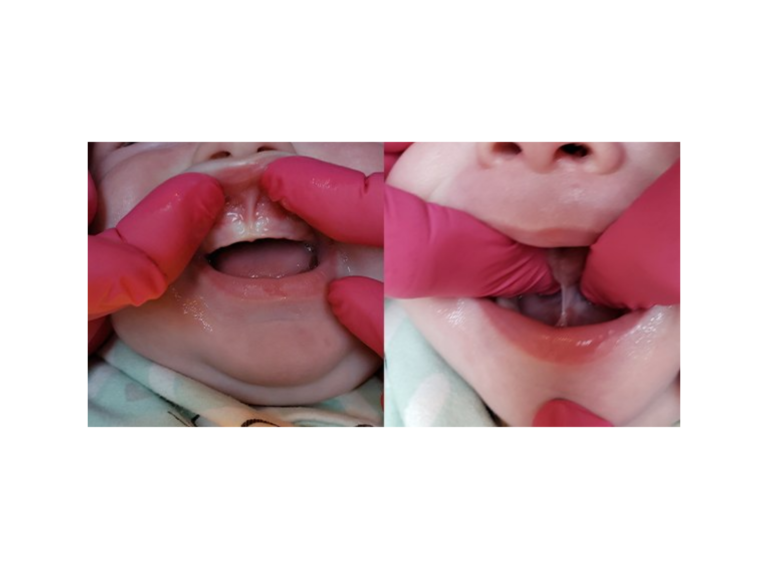
Tongue tie & Lip Tie
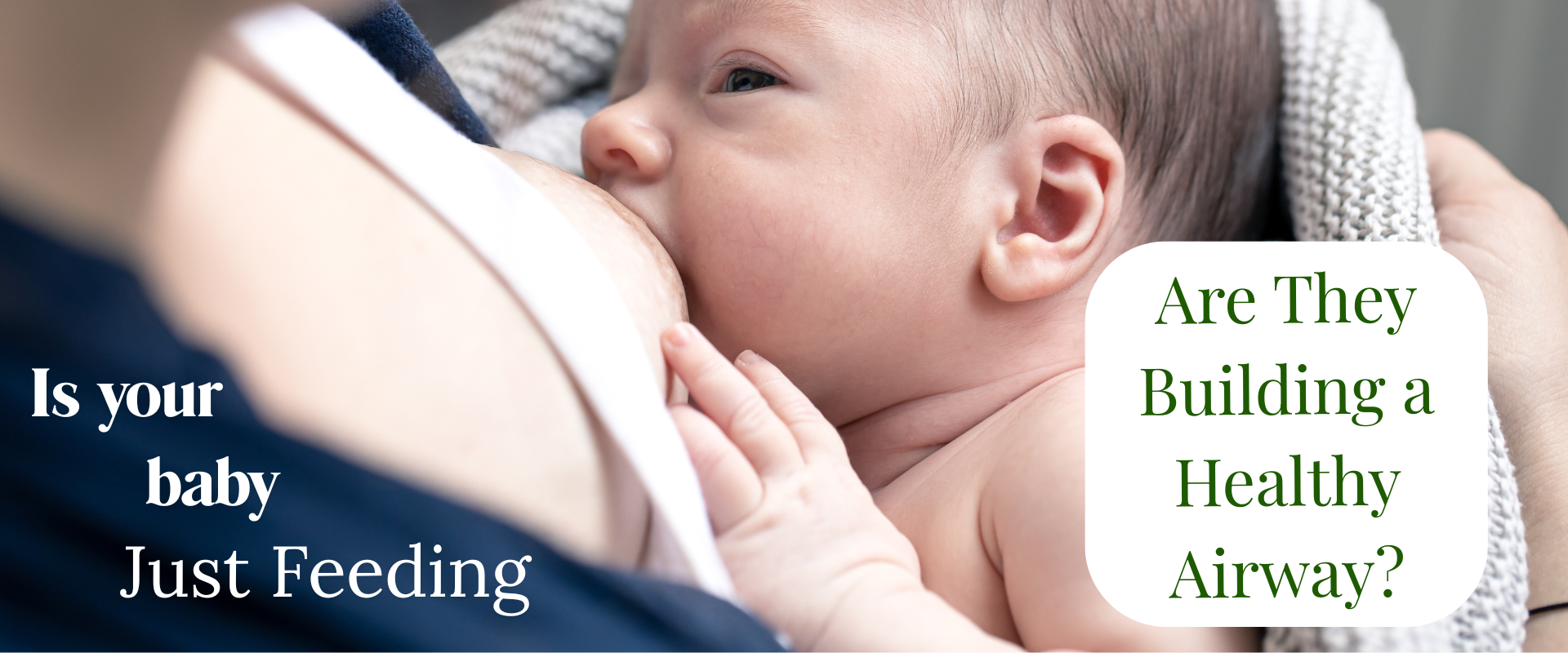
In infancy, the tongue is much more than a feeding tool; it is the primary architect of facial development and future airway health.
We recommend in-person initial oral examination by a professional trained in oral restrictions for your baby if you are experiencing any symptoms or feeding challenges.
At BreatheAlive, we believe in a "function-first" approach. While we don't perform "preventive" frenectomies, we know that an untreated tongue-tie can ripple into adulthood—contributing to speech struggles, sleep disordered breathing, improper face/airway growth & postural issues. We are here to help your child breathe, eat, and live without restriction.
Restoring the "Brain-Breath Axis" starting from the first latch
Expert care for tongue-tie, lip-tie & airway-centered infant health
Impact on milk supply
Severe pain with latch or inability of latch
Failure of baby to thrive
Sleep deprivation
Nipple pain, damage, bleeding, or blanching
- Reflux, colic, gas, bloating
Difficulty sucking a bottle or pacifier
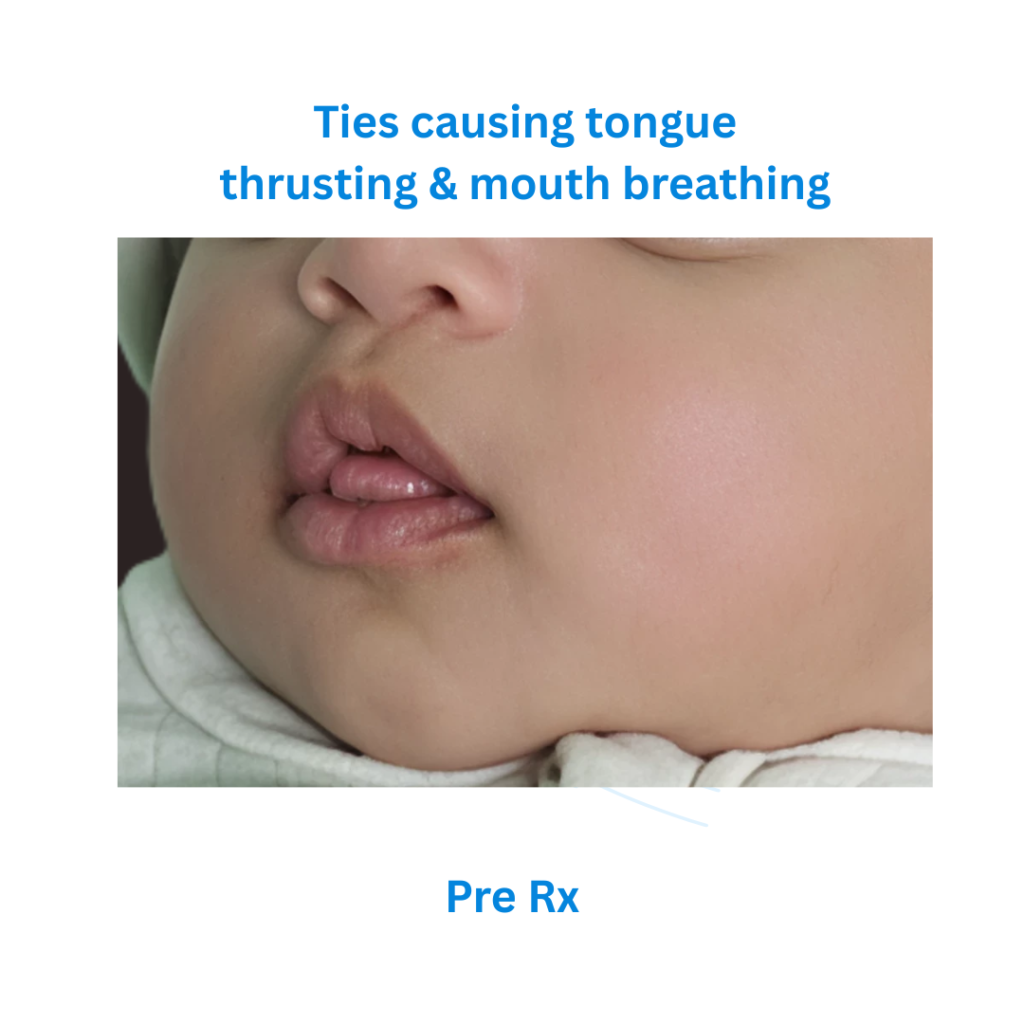
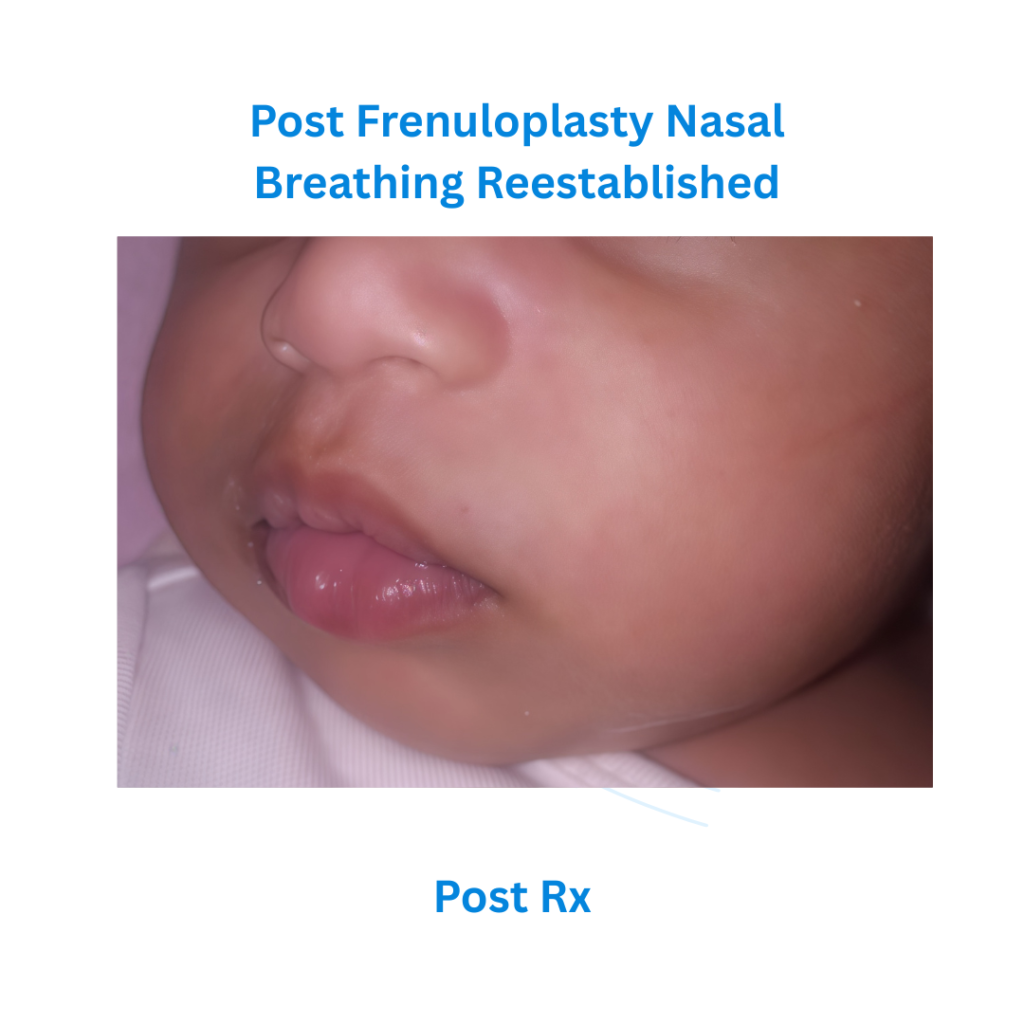
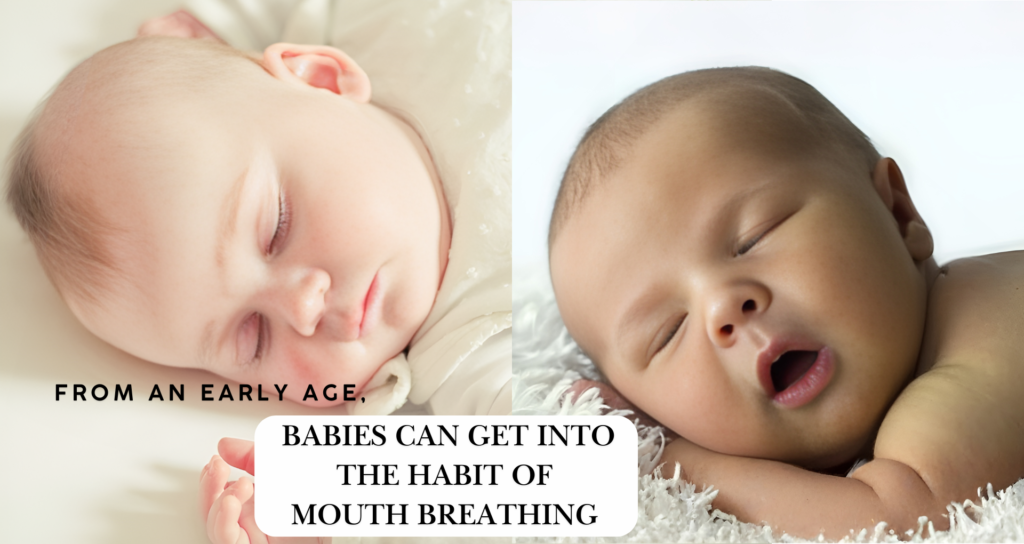
Mouth breathing
Termination of introducing solids
Poor bonding between baby and mother
Depression or a sense of failure
Why the Tongue
Matters for
Airway Health?
Did you know the tongue is the “architect” of the mouth?
The pressure from the tongue during swallowing actually sculpts the shape of the jaws. Because jaw shape & position dictate how the airway develops, early intervention is about more than just nutrition—it’s about ensuring your child can breathe deeply & live fully.
The Path to Lasting Change
A frenectomy is a powerful tool, but it is only one piece of the puzzle. To achieve the best results, we focus on:
- Neuromuscular Re-education: Teaching tongue how to move in its new range of motion.
- Tension Release: Addressing body compensations through therapy.
- Consistent Support: While some see instant changes, most see gradual, lasting improvement when the procedure is paired with the right post-operative care.