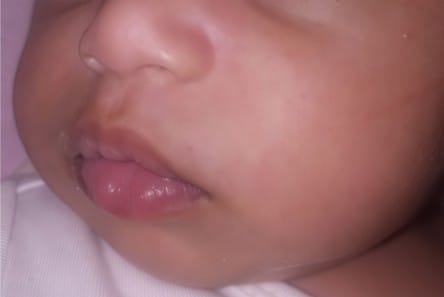
 Centre for Airway, Face & Sleep Medicine
Tongue Tie & Lip Tie
More than a feeding issue — these early restrictions can shape your baby’s airway, breathing, and growth.
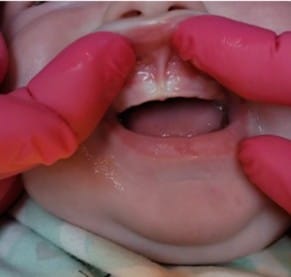

In infancy, the tongue is not just a feeding tool — it plays a key role in shaping facial structure and airway development.
When tongue or lip movement is restricted, it can affect feeding, breathing, sleep, and overall growth. These issues often go unnoticed in early stages.
At BreatheAlive, we follow a function-first approach, focusing on how your baby feeds, breathes, and develops — ensuring only necessary, evidence-based care.
Feeding Shapes Your Baby’s Airway
The tongue is not just for feeding — it is the architect of breathing, sleep, and facial growth.
- ✔ The tongue guides jaw and facial development
- ✔ Proper tongue movement supports nasal breathing
- ✔ Tongue tie can disrupt this natural process
- ✔ Early care improves lifelong breathing patterns
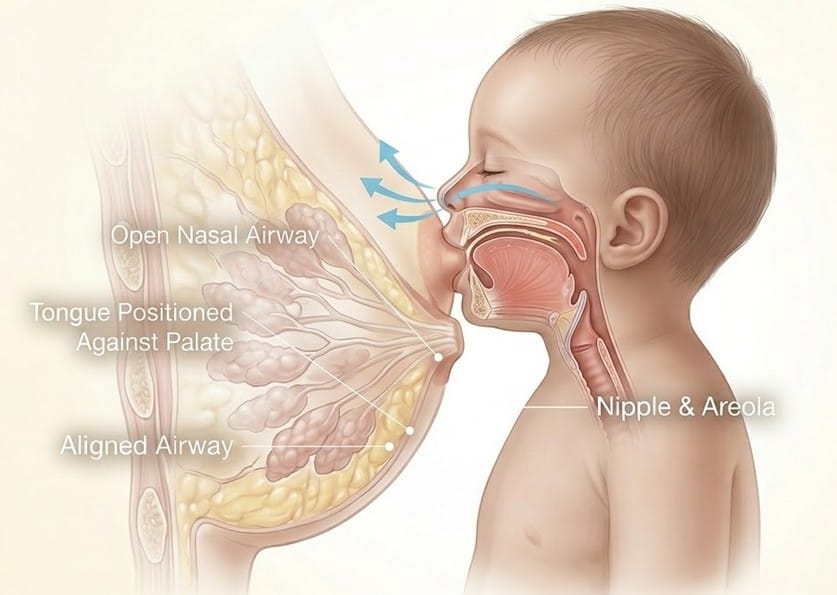
Restoring the Brain–Breath Axis from the First Latch
Expert care for tongue-tie, lip-tie and airway-centered infant development


Babies get into Habit of Mouthbreathing from an Early Age
Take the First Step Toward Better Breathing: Real Clinical Outcomes
Early intervention can restore normal breathing patterns and improve feeding outcomes.
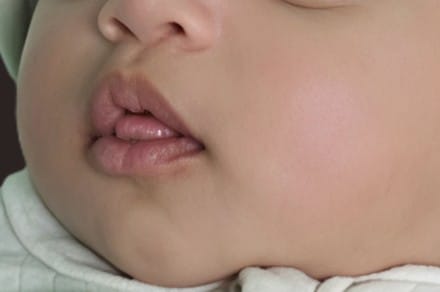
Tongue/Lip tie causing tongue thrust & mouth breathing