 Centre for Airway, Face & Sleep Medicine
Recognizing Sleep Apnea Symptoms
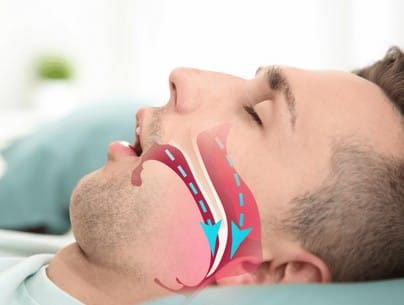
Sleep-related breathing disorders often present with both night-time and daytime symptoms.
Night-time Red Flags
- • Loud, persistent snoring
- • Choking or gasping
- • Observed pauses in breathing
- • Restless or fragmented sleep
- • Frequent nighttime urination
- • Waking unrefreshed
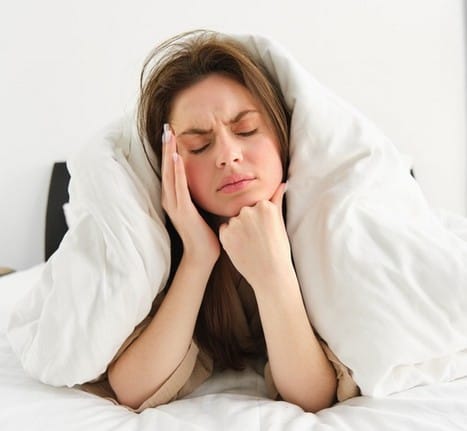
Daytime Warning Signs
- • Excessive daytime sleepiness
- • Morning headaches
- • Dry mouth or sore throat
- • Brain fog or poor concentration
- • Mood changes or irritability
Systemic Impact of Airway & Sleep Disorders
Sleep-disordered breathing is not limited to sleep — it influences cardiovascular, neurological and metabolic health.
❤️ Risk of hypertension and stroke
🧠 Brain fog, depression and anxiety
🩸 Metabolic dysfunction and Type II Diabetes
😴 Persistent fatigue and Day time sleepiness
🫁 Impaired oxygen exchange and breathing inefficiency
⚡ Chronic inflammation and long-term health impact
Airway dysfunction affects the entire body — addressing the root cause can improve overall health, energy and performance.
Treatment & Expected Outcomes
Our approach combines structural correction and functional rehabilitation for long-term results.
Treatments
- • Functional frenuloplasty
- • Myofunctional therapy
- • Jaw alignment correction
- • Personalized treatment planning
- • Addressing root causes
- • Restoring nasal breathing
- • Posture correction
- • Sleep rehabilitation
Benefits
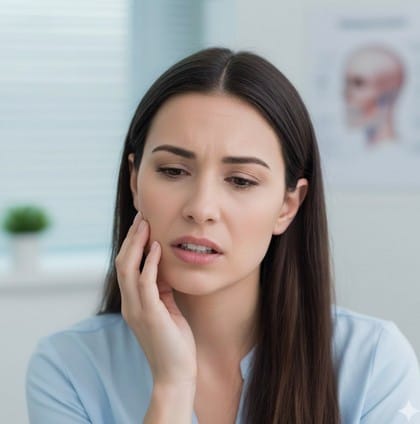
- • Pain relief
- • Improved facial comfort
- • Better sleep quality
- • Accurate diagnosis
- • Custom-fitted solutions
- • Improved tongue posture
- • Enhanced airway function
- • Overall health improvement
Your Treatment Journey
A structured pathway — from identifying the root cause to achieving long-term airway stability.

1. Comprehensive airway & functional evaluation
2. Breathing & muscle correction (Buteyko + Myofunctional)
3. Targeted intervention (ENT / TMJ / Appliance therapy)
4. Neuromuscular stabilization & functional training
5. Long-term airway health & stability
Treatment is individualized — combining structural and functional care for lasting results