
Growth & Airway Development

How Breathing Shapes Your Child’s Face

Facial growth is not just genetic β€” it is guided by breathing, posture and airway function.

What Drives Healthy Facial Growth?

Facial growth is guided by function β€” breathing, tongue posture, sleep, and posture all play a key role.

πŸ‘ƒ

Nasal Breathing

Supports proper airway development and forward facial growth.

πŸ‘…

Tongue Posture

Shapes the upper jaw and maintains proper arch development.

😴

Sleep Quality

Essential for growth hormone release and development.

🧍

Posture & Muscles

Influences airway space and facial growth direction.

How Breathing Shapes Facial Growth & Airway

Breathing patterns influence not just the face β€” but the nose, airway, jaw and posture over time.
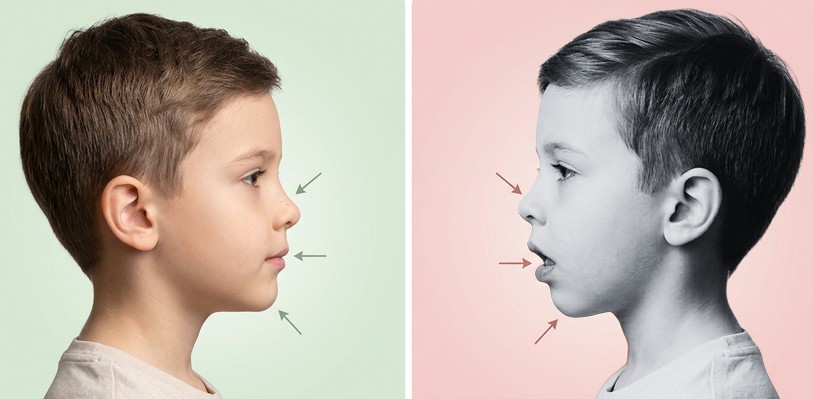
Healthy Nasal Breathing

  • Face: Balanced jaw development
  • Nose: Open airway and airflow
  • Airway: Wide and stable space
  • Tongue: Proper resting posture
  • Posture: Upright head and neck
  • Sleep: Better oxygenation and recovery

Mouth Breathing Pattern

  • Face: Narrow jaw and long face pattern
  • Nose: Reduced airflow
  • Airway: Narrow posterior space
  • Tongue: Low resting position
  • Posture: Forward head posture
  • Sleep: Disturbed breathing and recovery
Early breathing habits shape lifelong facial growth and airway health.

How It Happens

What begins as a small breathing issue can gradually influence growth and development.

Airway obstruction
β†’
Mouth breathing
β†’
Low tongue posture
β†’
Reduced jaw growth
↓
Narrow airway
β†’
Sleep disturbance
β†’
Altered facial growth
Growth follows function β€” breathing plays a central role in development. Early care can prevent long-term structural changes.

Signs Parents Should Not Ignore

These are early indicators of airway and growth-related issues β€” often mistaken for simple habits.

πŸ‘ƒ Breathing

  • Mouth open at rest
  • Snoring
  • Noisy breathing
  • Frequent nasal blockage

😴 Sleep

  • Restless sleep
  • Night sweating
  • Teeth grinding
  • Frequent waking

🧠 Daytime

  • Poor concentration
  • Hyperactivity
  • Fatigue
  • Irritability

😬 Facial Growth

  • Gummy smile
  • Crowded teeth
  • Long face pattern
  • Tired look around eyes
These signs are often overlooked β€” but they can indicate deeper airway and growth concerns. Early evaluation can make a significant difference in your child’s development.

Airway Space Can Change

With proper guidance and treatment, airway space and breathing patterns can improve over time.
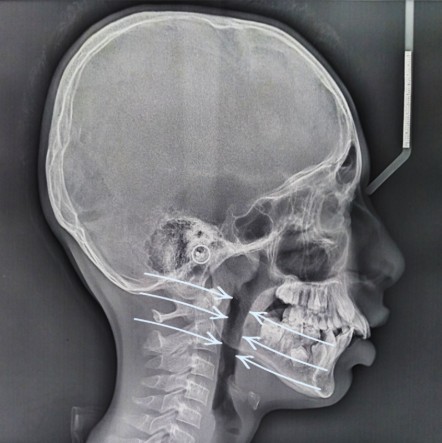
Before Narrow airway space
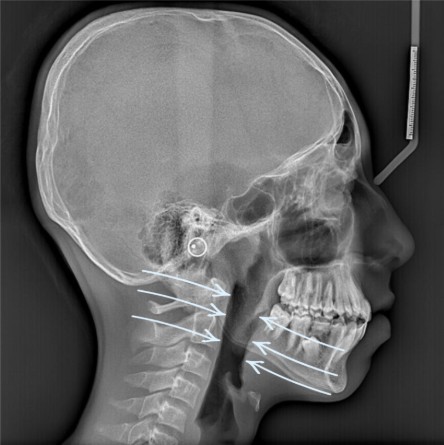
After Improved airway space
Airway development is dynamic and can be influenced during growth. Early intervention supports better breathing, sleep, and long-term development.

Integrated Airway-Centered Treatment

We combine medical, functional and structural approaches to restore breathing, sleep and craniofacial balance.

🫁 Airway & Sleep Therapy

  • Oral appliance therapy
  • Sleep optimization strategies
  • Non-CPAP alternatives

πŸ”¬ ENT & Surgical Care

  • Nasal obstruction correction
  • Septum & turbinate management
  • Airway surgery (when required)
  • Functional frenuloplasty

πŸ‘… Myofunctional Therapy

  • Tongue posture training
  • Swallow correction
  • Orofacial muscle coordination

🌬️ Buteyko Breathing

  • Nasal breathing restoration
  • COβ‚‚ tolerance training
  • Breathing pattern correction

😬 TMJ & Neuromuscular Care

  • Jaw alignment correction
  • Muscle balance therapy
  • Pain and dysfunction management

🧍 Posture & Functional Integration

  • Head and neck alignment
  • Breathing-posture coordination
  • Movement pattern correction
These systems are interconnected β€” addressing one without the other may provide temporary relief, not lasting results.